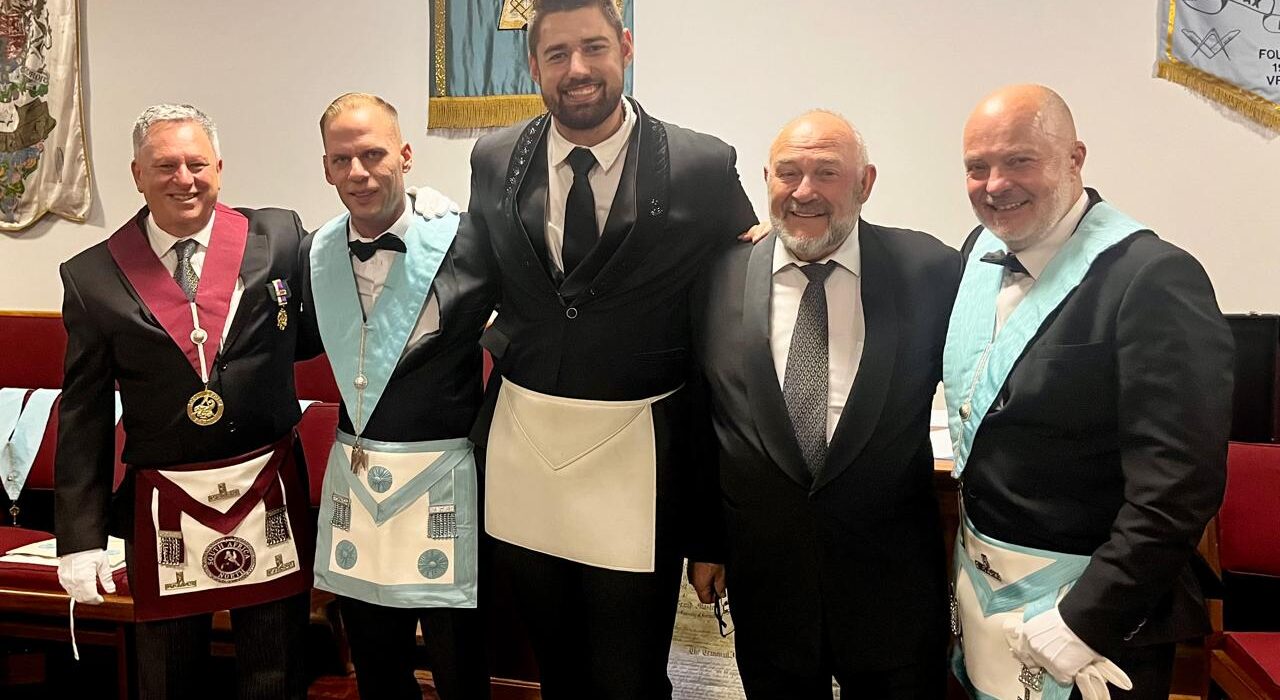
Freemasonry has attracted myths for centuries. Words like “secretive” and “mysterious” are often used — but how accurate are they?
Myth 1: Freemasonry Is a Secret Society
Fact: Freemasonry is private, not secret. Lodges operate openly, have public buildings, websites, and charitable activities. Members do not hide their involvement.
Some ceremonial elements are reserved for members, much like traditions in universities or professional bodies. This privacy preserves meaning — not secrecy.
Myth 2: Freemasonry Is a Religion
Fact: Freemasonry is not a religion. It does not offer salvation, worship, or doctrine. Members are encouraged to follow their own faiths.
Myth 3: Freemasons Control Politics or Business
Fact: Freemasonry forbids political or religious debate within lodge meetings. It exists to unite men, not divide them.
What Freemasonry Really Is
Freemasonry is a moral framework. Through symbolism and tradition, it encourages:
- Ethical behaviour
- Personal responsibility
- Respect for others
- Service to the community
In South Africa, Freemasonry is governed by recognised constitutions such as the United Grand Lodge of England, ensuring accountability and structure.
Transparency in the Modern World
Today, lodges like Transvaal Jubilee actively communicate who they are and what they stand for. Websites, FAQs, and direct contact make it easier than ever to separate fact from fiction.
Curiosity is welcome — and questions are encouraged.